0:00
Why are some team members highly
0:01
motivated while others seem disengaged?
0:04
The difference often isn't about
0:05
ability. It's about human needs. In this
0:08
video, we're going to explore Maslo's
0:11
hierarchy of needs, one of the most
0:13
influential theories in psychology. We
0:15
will look at how you, as a leader or
0:17
project manager, can use it to motivate
0:20
your team and create a healthy,
0:22
high-performing work environment. Let's
0:25
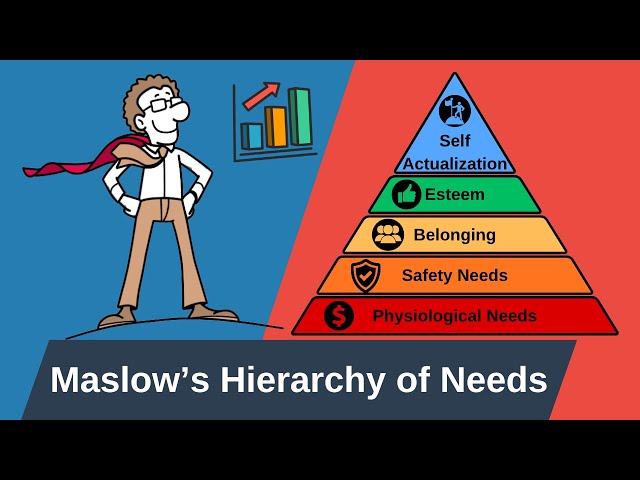
begin with the basics. Maslo's hierarchy
0:28
is usually shown as a pyramid with five
0:31
levels of human needs. The idea is
0:33
simple. We all start from the bottom and
0:35
move upward as each level is fulfilled.
0:38
People are motivated by whatever need
0:40
they currently lack. Once a need is
0:42
satisfied, motivation shifts to the next
0:45
level above it. Now, let's walk through
0:48
each level and see how it applies to
0:50
realworld project management. At the
0:53
base of the pyramid are physiological
0:55
needs. These are the essentials of life
0:57
such as food, water, sleep, and rest. In
1:00
a professional setting, this means
1:02
providing fair pay, reasonable hours,
1:04
and a comfortable workspace. If someone
1:06
on your team is constantly working late,
1:09
skipping lunch, or losing sleep over
1:11
deadlines, their performance will drop
1:13
no matter how talented they are. Before
1:15
expecting high productivity, it's
1:17
important to make sure those basic needs
1:18
are met. Encourage your team to take
1:21
breaks, set realistic deadlines, and
1:23
maintain a healthy work life balance.
1:25
It's difficult to focus on goals when
1:27
people are running empty. Once the
1:30
basics are taken care of, the next level
1:32
is safety. This includes physical
1:34
safety, job security, and emotional
1:36
stability. In a project environment,
1:39
safety means having clear roles,
1:40
consistent leadership, and trust within
1:42
the team. Imagine your organization is
1:45
going through restructuring. People may
1:47
begin to feel anxious about their jobs
1:49
or uncertain about their
1:50
responsibilities. That kind of anxiety
1:53
can lower morale and reduce performance.
1:55
As a project manager, open communication
1:58
is key. Be transparent about changes,
2:00
provide clarity, and be consistent in
2:02
your leadership. When people feel
2:04
secure, they can focus on producing
2:06
results instead of worrying about the
2:08
future. The third level is about
2:10
relationships and belonging. Humans have
2:13
a natural need to connect, to be part of
2:15
a group, and to feel supported. In a
2:18
project setting, this translates to
2:20
teamwork, collaboration, and inclusion.
2:23
When people feel like they belong, they
2:25
engage more, communicate better, and
2:27
solve problems faster. But when someone
2:30
feels isolated, their motivation
2:32
declines. Imagine you have a new team
2:34
member who doesn't yet feel included. If
2:37
no one reaches out, they may hesitate to
2:39
contribute. You can change that by
2:41
pairing them with a mentor, involving
2:43
them in key discussions, and
2:44
acknowledging their efforts early on. A
2:47
sense of belonging builds trust and
2:49
psychological safety, both of which are
2:52
critical for teamwork and innovation.
2:54
Once people feel connected, they begin
2:56
to seek respect and recognition. This is
2:59
the level of esteem where individuals
3:01
want to feel valued and confident in
3:03
their abilities. In the workplace,
3:05
esteem is built through constructive
3:07
feedback, appreciation, and
3:08
opportunities for ownership. For
3:11
example, imagine a team member who
3:13
completed a major milestone successfully
3:15
but received no acknowledgement over
3:18
time. That lack of recognition can
3:20
reduce motivation. As a leader, take the
3:23
time to recognize achievements. Say
3:25
thank you in meetings, celebrate
3:27
accomplishments publicly, and give
3:29
credit where it's due. People who feel
3:31
appreciated are more engaged and willing
3:33
to go the extra mile. At the top of the
3:36
pyramid is self-actualization.
3:38
This is when people strive to reach
3:40
their full potential. They are motivated
3:42
by creativity, autonomy, and purpose. In
3:45
a project setting, this might mean
3:46
taking on new challenges, exploring
3:48
innovative solutions, or leading a new
3:52
For example, you might have a high
3:54
performing team member who wants more
3:56
responsibility or the chance to lead a
3:57
sub project. Supporting that ambition
4:00
not only helps the individual grow but
4:02
also strengthens your team. When people
4:05
operate at this level, they are driven
4:07
by purpose. They are no longer working
4:10
only for a paycheck. They are working to
4:12
make a meaningful impact. So, how does
4:14
Maslo's hierarchy apply to project
4:16
management? First, motivation is layered
4:19
and constantly changing. Everyone on
4:22
your team is at a different point in the
4:24
hierarchy. One person may be focused on
4:26
job security. Another may be looking for
4:28
recognition and someone else may want
4:30
creative freedom. Understanding where
4:32
each person stands helps you lead with
4:34
empathy and precision. Second, external
4:38
rewards like raises and bonuses only go
4:41
so far. They can satisfy the lower
4:44
levels such as basic and safety needs,
4:46
but true motivation comes from
4:48
belonging, respect, and personal growth.
4:51
Finally, when leaders address human
4:53
needs across all levels, they create
4:56
high-erforming teams that are loyal,
4:58
collaborative, and resilient. Before we
5:01
wrap up, here are a few tips for
5:03
applying Maslo's hierarchy in your
5:05
workplace. Start with empathy. Take time
5:08
to understand what your team members
5:10
need, both personally and
5:11
professionally. Build psychological
5:13
safety. Encourage open communication and
5:16
make it safe for people to share ideas,
5:18
ask questions, and admit mistakes.
5:21
Empower growth. Give team members
5:24
opportunities that align with their
5:25
interests and aspirations.
5:28
And finally, create purpose. Help people
5:30
see how their daily work connects to a
5:32
bigger mission or goal. When you focus
5:35
on people's needs, you naturally improve
5:37
performance and strengthen your team's
5:39
sense of purpose. Maslaw's hierarchy of
5:42
needs is a timeless reminder that people
5:44
are at the center of every project. When
5:46
leaders understand what truly motivates
5:49
their team, they can create an
5:50
environment where everyone thrives. So,
5:53
take a moment to think about your team.
5:55
Where do you think most of them are in
5:56
the hierarchy right now? And what can
5:58
you do to help them move one level
6:01
higher? If you find this video helpful,
6:03
please like this video, subscribe to
6:05
PMASPrint, and visit pmasprint.com for
6:08
more practical tips on leadership and
6:11
project management. Thanks for watching,
6:13
and I'll see you in the next video.