live_tv
Livestream Starting Soon
00
Hours
:
00
Minutes
:
00
Seconds
Up next in 10


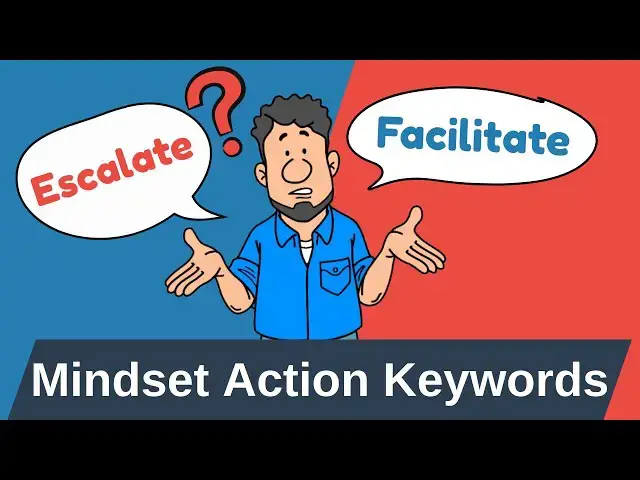
Struggling to choose between two good-sounding answers on the PMP exam? One of the most powerful strategies is understanding the action keywords hidden in the answer choices. In this video, learn how to spot PMI-favored action verbs, recognize red-flag words, and apply this technique to tackle even the trickiest situational questions with confidence.
Why Watch This Video?
Mastering PMI action keywords doesn’t just help you pass the PMP exam—it transforms the way you think and lead as a project manager. Learn how to approach questions strategically and stay aligned with PMI’s modern leadership expectations.
Resources for PMP Exam Success:
PMP Mindset Keyword: https://pmaspirant.com/mindset-action-keywords
9 PMP Essential Mindset: https://pmaspirant.com/pmp-mindsets
Agile Mindset: https://pmaspirant.com/agile-mindset
Chapters
0:00 Intro
0:41 Favored Action Keywords
3:18 Red Flag Action Keywords
4:30 Context-Dependent Keywords
6:10 Applying Keywords to the PMP Exam
Show More Show Less View Video Transcript
0:00
do you ever feel stuck choosing between
0:02
two good sounding answers on the PMP
0:04
exam If so one of the best strategies is
0:06
to look at the action verbs in the
0:08
answer choices These keywords often
0:10
reveal which option best reflects the
0:13
PMI mindset and that can be the
0:15
difference between a correct and an
0:16
incorrect answer In this video we're
0:19
going to walk through the key PMI
0:22
aligned action keywords explain what
0:24
they mean how to recognize them and when
0:27
to avoid tempting but misleading choices
0:30
Stick around to the end and you'll have
0:32
a strong grasp of the key words that can
0:35
guide you toward the right answer
0:37
especially on those tricky situational
0:41
questions Let's start with the action
0:43
verbs that PMI loves to see These
0:45
keywords align with good project
0:47
management behavior and when you see
0:49
them in the answer choices it's a strong
0:51
clue that you're on the right track
0:54
First up are the collaboration verbs
0:56
Words like collaborate facilitate engage
1:00
involve participate and consult all
1:02
reflect PMI's emphasis on stakeholder
1:05
engagement and teamwork If a question is
1:07
about working with stakeholders
1:09
addressing conflict or resolving
1:11
concerns choosing an option that
1:12
emphasizes engaging or involving others
1:15
is often the right call Next we have the
1:19
analytical verbs These include words
1:21
like assess analyze evaluate review and
1:25
examine These show PMI's preference for
1:27
thoughtful proactive decisionmaking
1:30
Instead of jumping into action PMI wants
1:32
project managers to pause gather
1:35
information and make informed choices
1:38
For example before taking action on a
1:40
problem or issue evaluating the impact
1:43
and options first is usually the best
1:46
response Then there are the adaptability
1:48
verbs such as tailor adapt customize and
1:52
align These keywords signal flexibility
1:55
and context awareness PMI recognizes
1:58
that projects aren't one-sizefits-all
2:00
agile or predictive internal or client-f
2:03
facing Adapting your approach to meet
2:06
the needs of the project environment is
2:08
a sign of a capable leader Another key
2:11
category is empowerment and servant
2:13
leadership verbs Think enable support
2:16
motivate guide and coach These reflect
2:19
PMI's people first leadership style
2:22
Rather than controlling or directing
2:24
agile and hybrid environments call for
2:26
empowering the team If a team member is
2:29
struggling or the team faces a challenge
2:31
helping them grow or supporting them
2:33
through coaching is usually better than
2:36
stepping in and taking over We also see
2:39
planning and strategic thinking verbs
2:41
like identify define recommend establish
2:46
and prioritize These show forthought and
2:49
alignment with business values For
2:52
instance identifying stakeholders early
2:54
or recommending a communication plan
2:57
proactively shows leadership and
3:00
initiative All of these key words
3:02
support the modern PMP exam mindset When
3:06
in doubt ask yourself does this option
3:08
show collaboration proactive thinking
3:11
adaptability empowerment or strategic
3:14
value If yes you're likely on the right
3:17
path Now let's talk about action verbs
3:21
that should raise a red flag These words
3:24
often imply passiveness avoidance or
3:27
authoritarian behavior which PMI usually
3:30
discourages Watch out for words like
3:33
wait defer postpone or delay These words
3:36
suggest a lack of urgency or initiative
3:39
Unless the question specifically asks
3:42
about pausing for more information these
3:44
choices often reflect a do nothing
3:46
attitude that PMI doesn't favor
3:49
Similarly words like command direct
3:52
demand replace or fire reflect a
3:55
controlling or punitive leadership style
3:58
PMI promotes servant leadership and
4:01
emotional intelligence especially in
4:03
agile and hybrid environments So
4:05
replacing a team member or demanding
4:07
action without understanding the root
4:09
cause rarely aligns with the PMI mindset
4:13
Also be cautious with verbs like
4:15
escalate or notify While these aren't
4:18
always wrong PMI usually prefers that
4:20
you try to resolve issues at the team
4:22
level first through communication and
4:24
coaching before escalating Escalation is
4:27
often a last resort not the first step
4:30
There are also some action verbs that
4:32
are neutral and their effectiveness
4:34
depends on the context These include
4:37
words like document track monitor assign
4:41
record and update These are important
4:44
administrative actions and they're not
4:46
wrong but they're usually not enough on
4:48
their own in PMP exam questions For
4:51
example if a risk is escalating simply
4:54
documenting it is not sufficient PMI
4:57
wants to see active leadership driven
5:00
responses Similarly technical terms like
5:04
baseline report deliver and execute are
5:07
context dependent For instance
5:09
establishing a baseline is a crucial
5:12
planning activity But during project
5:14
execution merely referring back to the
5:16
baseline without assessing current
5:18
performance and potential variances may
5:21
not be sufficient Reporting project
5:24
status is essential Yet if a project is
5:26
veering off course simply generating
5:28
reports without recommending corrective
5:30
actions might not align with proactive
5:32
project management practices Delivering
5:36
project outputs is the goal but doing so
5:38
without ensuring quality standards and
5:40
stakeholder acceptance could lead to
5:43
unsatisfactory results Executing tasks
5:46
as planned is fundamental but rigid
5:49
execution without adapting to changing
5:51
project dynamics may not yield the best
5:54
outcomes So if you see these words
5:56
consider what else is happening in the
5:58
scenario Are you taking action or are
6:01
you just noting something The best
6:03
choice often goes beyond tracking It
6:05
includes evaluating collaborating or
6:08
enabling a solution Let's talk about how
6:11
to actually use these keywords when
6:13
answering PMP questions When you're
6:16
reading a question especially a long
6:18
situational one try to spot the problem
6:21
or goal first Then look at each answer
6:24
choice and focus on the verb What action
6:26
is being taken Does that action reflect
6:29
PMI's values If one option says notify
6:33
the sponsor and another says engage the
6:36
team to find solutions the second is
6:39
more in line with PMI's mindset of
6:41
empowerment and collaboration If an
6:44
option says wait for further
6:46
instructions and another says analyze
6:48
the situation and take appropriate
6:50
action the second reflects proactive
6:52
leadership And if a question involves
6:55
conflict look for answers that involve
6:57
facilitating discussion supporting team
7:00
members or working with stakeholders
7:02
directly rather than escalating or
7:05
avoiding This technique is especially
7:08
powerful when two or more answers seem
7:11
plausible The keyword can help you
7:13
distinguish between a reactive response
7:16
and a PMI aligned one To recap PMI
7:20
mindset action key words are your
7:23
compass on the PMP exam Favor choices
7:26
that reflect collaboration analysis
7:28
adaptability empowerment and proactive
7:31
planning Be cautious with words that
7:33
imply delay control or passivity unless
7:36
the situation clearly calls for it And
7:39
remember that some keywords require
7:41
context So always think about the bigger
7:44
picture Mastering these keywords won't
7:47
just help you pass the exam it will help
7:49
you think like a modern project leader
7:52
If you found this helpful please give
7:54
this video a thumbs up and consider
7:56
subscribing for more PMP tips and
7:59
strategies And if you haven't already
8:02
check out our companion video on the
8:04
essential PMP exam mindset which dives
8:07
deeper into the behaviors and thought
8:09
patterns PMI expects from certified
8:12
project managers So which action keyword
8:15
do you find most helpful to keep in mind
8:17
when answering PMP questions Are there
8:20
other PMI preferred or red flag keywords
8:23
that should be on this list Let us know
8:25
in the comments below Thanks for
8:28
watching and I'll see you in the next
8:29
video
#Jobs & Education