live_tv
Livestream Starting Soon
00
Hours
:
00
Minutes
:
00
Seconds
Up next in 10


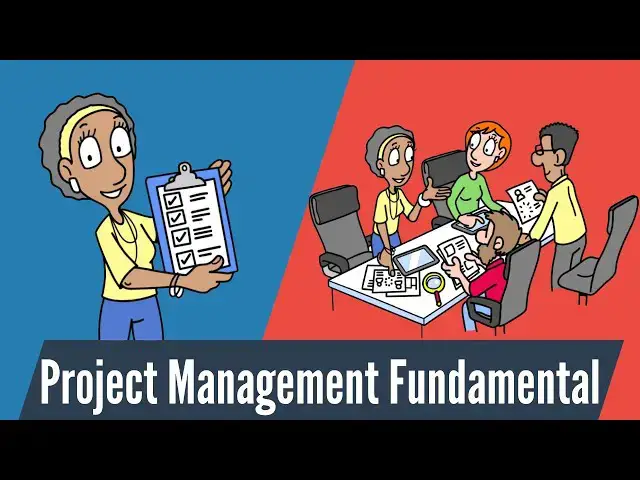
Are you new to project management or refresh project management knowledge? In this crash course video, we break down the essential concepts of project management, including tools, techniques, and methodologies that a project manager must master to lead successful projects. Whether you're interested in becoming a project manageer curious about project management this guide is the perfect starting point.
In This Video:
- What is a project? Learn how to distinguish projects from ongoing operations
- Key responsibilities of a project manager and the tools they use
- Popular methodologies: Waterfall vs. Agile vs. Hybrid approaches
- Managing the project triangle: Balancing scope, time, and cost
- The project lifecycle: From initiation to closure
- Essential skills: Scope management, stakeholder engagement, risk management, communication, budgeting, and team leadership
- Certifications to boost your career: CAPM, PMP, and Agile certifications
Visit https://PMAspirant.com for more tools, tips, and resources to excel in your project management journey.
Chapters:
0:00 Introduction
0:18 What is a Project
1:11 The Role of a Project Manager
1:55 Waterfall vs. Agile
2:27 The Project Management Triangle: Scope, Time, and Cost
3:04 The Project Lifecycle
Show More Show Less View Video Transcript
0:00
welcome to project management
0:01
fundamentals in this video we will go
0:04
over the fundamentals of project
0:05
management we'll cover key Concepts like
0:08
Project Life Cycle managing risks
0:10
balancing scope time and cost and
0:12
essential tools and methodologies we
0:15
have a lot to cover in under 10 minutes
0:17
let's dive in let's start with the
0:20
basics what exactly is a project a
0:23
project is a temporary Endeavor
0:25
undertaken to create a unique product
0:27
service or result think of it as a
0:29
mission with a specific goal a beginning
0:32
and an end for example developing a
0:35
mobile app is a project it has a clear
0:37
goal a timeline and a unique deliverable
0:40
on the other hand managing daily it
0:42
support for a company is not a project
0:44
that's an ongoing
0:46
operation key attributes of a project
0:48
include a specific goal for example
0:51
building a website organizing a
0:53
fundraiser or launching a new product a
0:56
start and end date unlike operational
0:58
work projects are not ongoing
1:00
a unique outcome projects aim to create
1:03
something new not repetitive
1:05
tasks understanding the nature of a
1:07
project helps you set the right
1:08
expectations for time effort and
1:10
deliverables a project manager ensures
1:13
that a project runs smoothly from start
1:15
to finish think of them as the conductor
1:17
of an orchestra coordinating different
1:19
parts to create Harmony their key
1:21
responsibilities include defining the
1:24
objectives clarifying what the project
1:26
is meant to achieve planning setting a
1:30
road mapap for tasks resources and
1:32
timelines organizing resources ensuring
1:35
the right people tools and materials are
1:37
available monitoring progress tracking
1:40
milestones and addressing issues to stay
1:42
on track communicating keeping
1:45
stakeholders informed and engaged
1:46
throughout the process tools like Gant
1:49
charts task boards and collaboration
1:51
platforms help project managers execute
1:53
these responsibilities effectively two
1:56
common approaches to project management
1:58
are waterfall and agile
2:00
waterfall leverages a linear methodology
2:02
ideal for projects with clear fixed
2:04
requirements each phase is completed
2:06
before moving to the next agile
2:08
leverages a flexible iterative approach
2:11
where work is broken into smaller
2:12
increments or Sprints allowing teams to
2:15
adapt to changing priorities Frameworks
2:17
like scrum and can ban are popular
2:19
within agile a hybrid approach combines
2:22
elements of both methodologies offering
2:24
structure where needed and flexibility
2:26
where possible next let's talk about
2:28
project constraints
2:30
every project is shaped by Three core
2:32
constraints scope what's included in the
2:35
project time how long it takes to
2:38
complete cost the budget for resources
2:40
materials and labor for example imagine
2:44
planning a wedding if you decide to add
2:47
a live band to the scope it might extend
2:49
the timeline and increase costs these
2:51
constraints are interconnected so
2:53
managing them requires careful
2:55
tradeoffs a project manager's job is to
2:58
balance these constraints effectively
3:00
ensuring the project delivers value
3:02
without exceeding its
3:03
limitations next is the project life
3:06
cycle projects are broken down into five
3:08
key phases to ensure systematic
3:11
execution one initiation establish the
3:14
Project's purpose and feasibility the
3:17
project Charter is the main deliverable
3:18
here outlining objectives stakeholders
3:21
and scope two planning develop detailed
3:25
plans for scope schedule risks and
3:27
budget tools like the work breakdown
3:29
structure help divide the project into
3:31
manageable tasks while Gant charts
3:33
visualize
3:34
timelines three execution assign tasks
3:38
manage resources and ensure deliverables
3:40
are
3:41
produced four monitoring and controlling
3:45
Track Performance manage risks and
3:47
adjust plans as
3:48
needed five closure finalize the
3:51
deliverables get stakeholder approval
3:54
and document Lessons Learned techniques
3:57
like the critical path method and earned
3:58
value management help ensure the project
4:01
stays on track during the planning and
4:02
monitoring
4:04
phases next knowing how to manage scope
4:07
is essential scope management defines
4:09
what's included and excluded from the
4:11
project without clear boundaries you
4:13
risk scope creep where additional tasks
4:15
sneak into the project without proper
4:17
approval to manage scope Define
4:20
deliverables clearly in a scope
4:22
statement use a Change Control process
4:24
to assess and approve changes
4:27
communicate regularly with stakeholders
4:28
to align expectations
4:31
tools like a requirements traceability
4:33
Matrix ensure that all task align with
4:35
the original project goals avoiding
4:37
unnecessary work next is stakeholder
4:40
management stakeholders include anyone
4:43
impacted by or invested in the project
4:45
such as clients team members or
4:47
Executives effective stakeholder
4:48
management
4:50
involves identifying stakeholders and
4:52
understanding their
4:53
priorities engaging them regularly to
4:56
keep expectations clear and
4:57
aligned resolving concerns learns
4:59
proactively to maintain trust and
5:02
satisfaction a stakeholder Matrix is a
5:04
valuable tool to map influence and
5:06
interest levels helping prioritize
5:08
communication
5:09
efforts next is risk management projects
5:13
rarely go as planned so identifying and
5:15
addressing risks early is critical risk
5:17
management
5:18
involves identifying risks anticipate
5:21
what could go wrong prioritizing risks
5:24
assess their likelihood and potential
5:26
impact developing mitigation plans
5:29
outline how to avoid or reduce risks a
5:32
risk register is essential for tracking
5:34
risks and their mitigation
5:35
strategies next is communication skills
5:39
communication is the glue that holds
5:40
projects together successful project
5:42
managers must excel at the following
5:44
communication skills creating a
5:47
communication plan specify who needs
5:49
updates what information they need and
5:51
how often facilitating meetings ensure
5:54
meetings are purposeful and
5:56
productive using collaboration tools
5:59
platforms like slack or Microsoft team
6:01
streamline team interaction and
6:03
information
6:04
sharing mastering communication prevents
6:06
misunderstandings and keeps everyone
6:08
working toward the same
6:09
goals next is scheduling and time
6:12
management effective time management
6:14
ensures that projects meet deadlines
6:16
without compromising quality techniques
6:19
include breaking tasks into smaller
6:21
parts with a work breakdown structure
6:24
estimating durations accurately using
6:26
historical data or tools such as
6:28
three-point estimating monitoring
6:30
schedules with Gant charts to track
6:32
progress visually by proactively
6:34
managing time you ensure tasks are
6:36
completed efficiently and without
6:38
unnecessary
6:39
delays next is budgeting managing a
6:42
Project's finances is critical to its
6:44
success key elements include estimating
6:48
costs using techniques like parametric
6:49
estimating or bottom-up estimating
6:52
tracking expenses against the budget
6:54
Baseline to identify deviations early
6:57
managing changes through a formal
6:58
approval process to make maintain
6:59
Financial control tools like cost
7:02
management software or spreadsheets help
7:04
Monitor and adjust budgets as needed
7:07
team management is next building and
7:09
leading a high performing team is
7:10
Central to project management key
7:12
aspects include assigning roles and
7:15
responsibilities clearly to avoid
7:17
confusion tools like a racy Matrix help
7:19
with this motivating the team recognize
7:23
achievements to keep morale High
7:25
addressing conflicts early to maintain
7:27
Harmony and productivity leadership
7:30
isn't just about assigning tasks it's
7:32
about inspiring the team to give their
7:33
best next is problem solving projects
7:37
come with unexpected challenges making
7:39
adaptability essential project managers
7:41
need to identify problems early using
7:44
techniques like root cause
7:46
analysis adapt plans to address issues
7:49
while minimizing impact on scope time or
7:51
cost problem solving is an iterative
7:54
process and being flexible ensures you
7:56
can navigate challenges
7:57
effectively next is metrics and
8:00
Reporting tracking progress is essential
8:02
to ensure projects stay on course
8:04
metrics include key performance
8:07
indicators kpis metrics like schedule
8:09
variance or cost variance help assess
8:12
performance dashboards provide real-time
8:14
visibility into project status for
8:17
stakeholders status reports summarize
8:19
progress and highlight risks or issues
8:22
clear reporting builds transparency and
8:24
keeps everyone aligned with project
8:26
goals finally if you're serious about a
8:28
career in Project management consider
8:30
certifications like certified associate
8:33
in project management capm certification
8:36
for
8:37
beginners project management
8:39
professional PMP certification for
8:42
experienced
8:43
professionals agile certifications like
8:46
PMI agile certified practitioner or
8:48
certified scrum Master for those working
8:50
in iterative
8:52
environments these project management
8:54
certifications will validate your
8:55
knowledge and boost your career
8:57
prospects to recap project management
9:00
involves balancing scope time and cost
9:02
while leading a team to achieve specific
9:04
goals tools like Gant charts risk
9:07
registers and communication plans help
9:09
streamline your work while methodologies
9:11
like waterfall or agile guide your
9:13
approach effective communication
9:16
adaptability and problem solving are key
9:18
skills for
9:19
success thank you for joining me to
9:21
explore project management fundamentals
9:24
whether you're just starting or refining
9:26
your skills this guide sets the
9:28
foundation for project success
9:30
if you found this video helpful please
9:32
give it a thumbs up your support helps
9:34
us create more content like this and
9:36
don't forget to subscribe for more
9:38
project management insights and tips I'd
9:41
love to hear from you what's your
9:42
biggest challenge in managing projects
9:44
or which topic would you like us to
9:46
cover next let me know in the comments
9:48
below thanks for watching and I'll see
9:51
you in the next video
9:55
[Music]
#Business & Industrial
#Jobs & Education
#Jobs & Education