live_tv
Livestream Starting Soon
00
Hours
:
00
Minutes
:
00
Seconds
Up next in 10


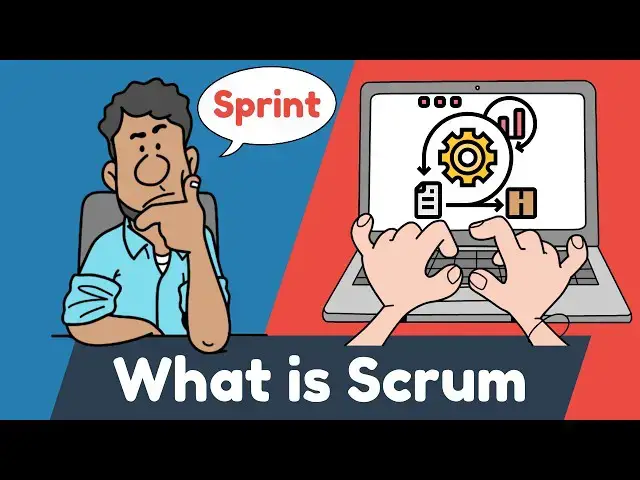
Ever wondered what Scrum really is and why it’s a game-changer in project management? Scrum is an Agile framework designed to help teams deliver high-quality products through collaboration, flexibility, and continuous improvement. Whether you’re new to Scrum or need a refresher, this video will walk you through the key concepts, roles, events, and artifacts that make Scrum so effective.
Why Watch This Video?
Scrum is one of the most widely used Agile frameworks across industries, helping teams stay focused, adapt quickly, and continuously improve. This guide will give you a clear and structured understanding of Scrum so you can apply it effectively in your projects.
In This Video:
• What is Scrum, and how does it work?
• The three Scrum roles: Product Owner, Scrum Master, and Development Team
• Key Scrum artifacts: Product Backlog, Sprint Backlog, and Increment
• Scrum events: Sprint Planning, Daily Scrum, Sprint Review, and Retrospective
• Essential principles like the Definition of Done, backlog refinement, sprint goals, self-organizing teams, and cross-functional collaboration
• Key metrics like Velocity and Time-Boxing for better project planning
Chapters:
0:00 Intro
0:35 What is Scrum
1:24 Roles in Scrum
2:17 Scrum Artifacts
3:09 Scrum Events
4:29 Definition of Done
Show More Show Less View Video Transcript
0:00
ever wonder what scrum really is and why
0:02
it's such a GameChanger in project
0:04
management hi I'm Andrew from pm
0:06
aspirant and welcome to the channel
0:07
where we break down project management
0:09
Concepts to help you pass your
0:10
certification and Lead successful
0:12
projects if you're new here make sure to
0:15
subscribe and hit the notification Bell
0:16
for more project management
0:18
insights today we're breaking down scrum
0:21
a framework that has transformed how
0:23
teams deliver highquality products
0:25
whether you're new to scrum or just
0:27
looking to brush up on the essentials
0:30
this video will give you a clear picture
0:31
of what makes scrum so powerful let's
0:34
dive in scrum is a framework for
0:37
managing complex projects originally
0:39
developed for software development it's
0:41
now widely used in various Industries
0:44
because it enables teams to work
0:45
together more effectively scrum involves
0:48
breaking down projects into smaller
0:50
Cycles called Sprints usually lasting
0:52
from 1 to 4 weeks during each Sprint the
0:55
team Works to deliver a potentially
0:57
shippable increment a usable piece of
0:59
the product
1:00
what makes scrum so effective is its
1:02
iterative and incremental approach scrum
1:05
encourages teams to adapt based on
1:07
feedback and experience rather than
1:09
following a strict pre-planned Approach
1:12
at the heart of scrum are key principles
1:14
like transparency inspection and
1:15
adaptation which keep teams responsive
1:17
and aligned with project
1:19
goals now let's dive into the specific
1:22
roles events and artifacts that make up
1:24
scrum scrum has three main roles each
1:27
essential to the process product owner
1:30
the product owner's role is all about
1:31
maximizing the product's value they
1:33
manage the product backlog prioritize
1:35
features and ensure the team is working
1:38
on the tasks that bring the most value
1:39
to the customer scrum Master the scrum
1:42
Master is the facilitator of the team
1:45
ensuring that scrum principles and
1:46
processes are followed they remove
1:48
obstacles that might hinder the team's
1:50
progress and support the team in staying
1:52
on track with agile
1:54
practices development team the
1:56
development team is cross functional and
1:58
self-organizing
2:00
responsible for delivering a usable
2:01
increment at the end of each Sprint they
2:04
work together to achieve the Sprint
2:05
goals drawing on each member's strengths
2:07
and skills these roles create a balanced
2:11
structure where each person has specific
2:13
responsibilities fostering
2:14
accountability collaboration and
2:17
self-organization scrum uses three
2:19
primary artifacts to keep the team
2:20
organized and
2:22
transparent product
2:23
backlog this is a prioritized list of
2:26
all tasks features and updates that need
2:29
to be completed for the product managed
2:31
by the product owner it evolves
2:33
throughout the project as new
2:34
requirements and feedback come in Sprint
2:37
backlog the Sprint backlog is a subset
2:40
of the product backlog it contains only
2:42
the tasks the team has committed to
2:44
completing in the current Sprint helping
2:46
the team stay focused on short-term
2:48
goals increment the increment is the end
2:51
result of each Sprint it represents the
2:54
sum of all completed product backlog
2:56
items providing a working version of the
2:58
product that could potentially be
3:00
released these artifacts are designed to
3:03
provide transparency and track progress
3:05
ensuring everyone knows where the
3:06
project stands and what needs to be done
3:09
scrum organizes work through a series of
3:11
events that promote collaboration
3:13
feedback and continuous
3:15
Improvement Sprint a Sprint is a fixed
3:18
time period usually 1 to 4 weeks where
3:21
the team focuses on delivering a usable
3:23
increment each Sprint starts with
3:25
planning and ends with a review and
3:26
retrospective to gather feedback and
3:28
identify improvements
3:30
Sprint planning during Sprint planning
3:32
the team decides what tasks they'll
3:34
complete in the upcoming Sprint this is
3:36
where they set the Sprint goal a clear
3:39
objective that gives the team Focus for
3:40
the Sprint daily scrum or stand up the
3:44
daily scrum is a 15minute meeting where
3:46
team members share updates upcoming
3:48
tasks and any challenges they're facing
3:51
it helps the team stay aligned and spot
3:53
potential roadblocks early Sprint review
3:57
at the end of the Sprint the team
3:58
presents their increment to stakeholders
4:00
and gathers feedback this event helps
4:02
the team understand how well they're
4:04
meeting the Project's goals Sprint
4:06
retrospective the retrospective is the
4:09
final event of each Sprint where the
4:11
team discusses what went well what
4:12
didn't and what they can improve it's
4:15
all about learning from the experience
4:17
and finding ways to improve for the next
4:19
Sprint these events provide a steady
4:22
rhythm of planning feedback and
4:24
reflection allowing the team to stay
4:26
focused adaptable and continuously
4:28
improving
4:29
the definition of dun is a shared
4:31
understanding of what it means for a
4:32
product increment to be considered
4:34
complete it outlines the quality
4:36
standards testing requirements and other
4:39
conditions that must be met for the
4:40
increment to be potentially
4:42
shippable by having a clear definition
4:44
of done the team can avoid
4:46
misunderstandings and maintain a
4:47
consistent level of quality it's a
4:49
crucial part of ensuring that all
4:51
increments meet the Project's standards
4:53
and are ready for
4:55
release backlog refinement also known as
4:58
grooming is an ongoing process where the
5:00
product backlog is reviewed and updated
5:03
this process ensures that the backlog is
5:05
organized prioritized and ready for the
5:07
next
5:07
Sprint regular refinement keeps the
5:10
backlog manageable and ensures that the
5:12
team is always prepared for Sprint
5:14
planning allowing them to focus on high
5:16
priority tasks that align with the
5:17
Project's goals the Sprint goal is a
5:20
brief focused statement that describes
5:22
the main objective of the Sprint created
5:24
during Sprint planning it gives the team
5:26
a clear direction for what they aim to
5:28
accomplish in the Sprint
5:30
a well-defined Sprint goal keeps
5:32
everyone aligned and focused on a shared
5:34
outcome making it easier for the team to
5:36
make decisions about task priorities
5:38
throughout the Sprint scrum teams are
5:41
self-organizing meaning they have the
5:42
autonomy to decide how to complete their
5:44
tasks within the Sprint they don't rely
5:46
on external Direction but instead
5:48
organize themselves to achieve the
5:49
Sprint goal this autonomy empowers team
5:52
members to take ownership of their work
5:54
respond to challenges and adapt quickly
5:57
it's a core part of what makes scrum
5:58
teams agile and responsive scrum teams
6:02
are also cross functional meaning they
6:03
possess all the skills necessary to
6:05
complete tasks and deliver a potentially
6:07
shippable product increment this setup
6:10
reduces dependencies and enables the
6:11
team to work
6:13
independently having a cross functional
6:15
team makes it easier to reach Sprint
6:17
goals and keeps the project moving
6:18
forward without delays as team members
6:21
collaborate and cover all needed
6:23
areas time boxing is a key principle in
6:26
scrum where every activity from Sprints
6:28
to meetings has a fixed duration for
6:30
example Sprints last between 1 and 4
6:33
weeks and daily standups are kept to 15
6:36
minutes time boxing keeps the team
6:38
focused helps prevent scope creep and
6:40
encourages efficiency knowing there's a
6:42
set time frame for each activity helps
6:44
the team prioritize and work
6:46
productively respecting everyone's time
6:49
velocity is a key scrum metric that
6:51
measures how much work a team completes
6:53
in a Sprint usually in story points for
6:56
example if a team finishes 22 story
6:58
points in Sprint one and 18 in Sprint 2
7:02
their average velocity is 20 story
7:04
points per Sprint by tracking velocity
7:07
over multiple Sprints teams can estimate
7:10
how much work they can take on in future
7:11
Sprints velocity is a planning tool
7:13
meant to help teams improve
7:15
predictability and efficiency not to
7:17
compare or pressure teams to increase
7:19
speed and that's a comprehensive look at
7:22
scrum from defining roles and events to
7:24
artifacts and guiding principles scrum
7:27
is all about delivering highquality
7:29
products through through collaboration
7:30
transparency and flexibility these
7:33
elements help teams stay adaptable and
7:35
continuously improve which is why scrum
7:37
has become such a popular framework
7:39
across
7:40
Industries if this video helped clarify
7:43
scrum for you please give it a thumbs up
7:45
and don't forget to subscribe to PM
7:47
aspirant for more insights on project
7:49
management for more resources head over
7:51
to PM
7:52
aspirin. thanks for watching and I'll
7:55
see you in the next video
#Business & Industrial
#Jobs & Education
#Reference