Up next in 10


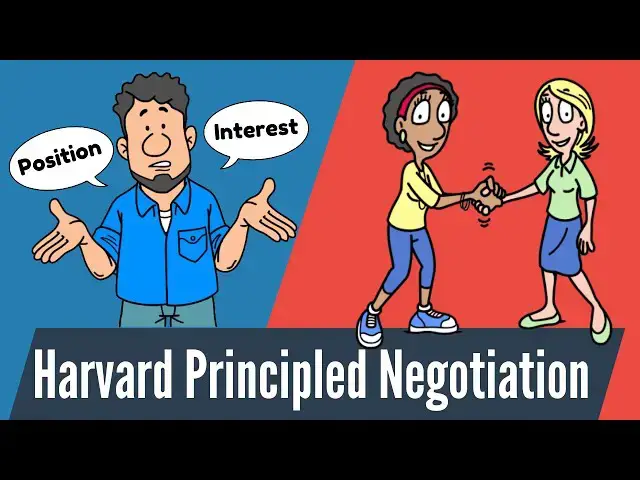
Have you ever been in a negotiation where it felt impossible to find common ground? Negotiation doesn’t have to be a battle—it’s about finding solutions that work for everyone. In this video, we break down the 4 Harvard Principled Negotiation techniques from the book Getting to Yes by Roger Fisher and William Ury. These strategies are widely used in project management, business, and everyday life to help you navigate conflicts, improve collaboration, and achieve better outcomes.
Why Watch This Video?
Whether you're negotiating with stakeholders, managing resource conflicts, or simply looking to improve your communication skills, these principles will help you navigate discussions with confidence and professionalism.
Chapters
0:00 Intro
0:45 Principle 1
2:00 Principle 2
3:12 Principle 3
4:12 Principle 4
5:15 Apply principles in PM
7:11 Daily applications
Resource:
Book: Getting to Yes by Roger Fisher and William Ury: https://amzn.to/3EQ3vGc
(As an Amazon Associate, PMAspirant many earn from qualifying purchases if you make purchse from affiliated link.)
Website:
Homepage: https://pmaspirant.com
Show More Show Less View Video Transcript
0:00
have you ever been in a negotiation
0:02
where it felt like neither side could
0:03
agree on anything and you didn't know
0:06
how to move forward negotiation doesn't
0:09
have to be a battle it can be a process
0:11
of finding solutions that work for
0:13
everyone the principles we'll discuss
0:16
today are from the Harvard negotiation
0:18
project and the book getting to yes by
0:20
Roger fiser and William Erie these
0:22
Timeless principles are used worldwide
0:25
in business project management and even
0:27
everyday life in this video we'll bring
0:30
break down the Harvard principles of
0:31
negotiation apply them to real world
0:34
project management scenarios and show
0:35
you how they can be just as useful in
0:37
your personal life stick around to the
0:39
end and you'll see how mastering these
0:41
principles can make you a better
0:42
negotiator both at work and at home
0:45
principle one separate the people from
0:48
the problem negotiations often fail
0:50
because emotions and personal conflicts
0:52
Cloud judgment and derail discussions
0:55
this principle encourages us to focus on
0:57
the problem itself rather than
0:59
attributing blame or targeting
1:01
individuals it's about maintaining a
1:03
clear distinction between relationships
1:06
and the issue at hand relationships
1:08
matter in negotiations and damaging them
1:11
can make future collaboration difficult
1:14
focusing on the problem allows both
1:17
sides to collaborate objectively
1:19
reducing defensiveness and hostility by
1:22
depersonalizing the issue you're
1:25
creating an environment where people can
1:27
openly discuss Solutions without feeling
1:30
attacked or alienated imagine a
1:33
disagreement between a team member and a
1:35
client about deliverables the client
1:37
might say your team isn't delivering
1:39
quality work which can feel like a
1:41
personal attack instead of reacting
1:44
defensively the project manager could
1:46
focus on the issue by saying let's take
1:48
a closer look at the deliverables and
1:50
discuss what changes would make them
1:52
align with your expectations this shifts
1:55
the conversation from blame to problem
1:57
solving making it easier to to reach a
2:00
solution principle two focus on
2:03
interests not positions positions are
2:06
the demands that people state in a
2:08
negotiation for example we need this
2:11
done in 2 weeks but underlying those
2:15
positions are interests the reasons or
2:18
motivations driving those
2:20
demands addressing interests rather than
2:23
positions opens the door to more
2:25
creative and mutually beneficial
2:27
solutions by understanding interests you
2:30
can find ways to satisfy those deeper
2:32
needs even if the initial demand isn't
2:35
entirely feasible this principle also
2:38
reduces the likelihood of stalemates as
2:40
it shifts the focus from rigid demands
2:43
to Shared goals let's say your client
2:45
Demands a project be completed 2 weeks
2:47
earlier than planned instead of focusing
2:50
solely on whether the deadline can be
2:52
met ask why the earlier delivery is
2:55
necessary you might learn that it aligns
2:57
with a product launch with this
2:59
information you can suggest a phased
3:01
delivery completing critical features
3:03
first to meet their need while giving
3:06
your team enough time for the remaining
3:07
tasks this approach addresses the
3:09
client's interest without overburdening
3:11
your team principle three generate
3:14
options for Mutual gain too often
3:17
negotiations narrow in on a single
3:19
solution too early limiting
3:21
opportunities for Creative problem
3:22
solving this principle emphasizes the
3:25
importance of brainstorming multiple
3:27
options before making a decision the
3:29
more possibilities you explore the
3:31
greater the likelihood of finding a
3:33
solution that benefits everyone
3:35
encouraging open dialogue and
3:37
collaboration Fosters trust and ensures
3:39
that all parties feel heard even if not
3:42
all options are feasible the process
3:44
itself can reveal Innovative approaches
3:46
that might not have been considered
3:48
otherwise imagine you're working with a
3:50
tight project budget and a stakeholder
3:52
wants additional features instead of
3:55
outright rejecting the request bring
3:57
your team together to brainstorm could
3:59
you repurpose existing resources could
4:02
less critical features be postponed to
4:04
make room for the new ones generating
4:06
options opens the door to Creative
4:08
Solutions that might not be obvious
4:11
initially principle four use objective
4:14
criteria subjective opinions can lead to
4:17
disagreements and make negotiations feel
4:19
arbitrary or unfair using objective
4:22
criteria such as data standards or
4:25
benchmarks ensures that discussions are
4:28
grounded in facts and measurable
4:30
outcomes this approach not only reduces
4:33
conflict but also builds credibility and
4:35
trust between parties objective criteria
4:39
act as a neutral guide for
4:40
decision-making they remove personal
4:42
biases and allow both sides to focus on
4:45
what's reasonable and fair based on
4:47
external standards let's say you're
4:49
negotiating rates with a contractor
4:51
instead of relying on personal opinions
4:53
about what's fair bring in market
4:56
research or past contracts to set
4:58
expectations for example based on
5:01
similar projects contractors in this
5:03
range typically charge between X and Y
5:06
let's discuss where your rates align
5:08
objective data creates a neutral ground
5:11
for discussions and minimizes
5:13
unnecessary back and forth let's look at
5:16
a comprehensive project management
5:18
scenario where these four principles
5:20
come into play let's say two departments
5:22
in your organization need access to the
5:25
same set of resources A specialized team
5:28
or equipment one Department argues that
5:30
their project has a higher priority
5:33
while the other insists that their
5:35
deadlines are tighter step one separate
5:38
the people from the problem start by
5:41
acknowledging everyone's frustration
5:42
without taking sides for example say I
5:45
understand that both teams are under
5:47
pressure to meet important goals let's
5:49
focus on how we can manage the resource
5:51
constraints to support both projects
5:54
effectively this approach calms emotions
5:56
and keeps the discussion professional
5:59
step two two focus on interests not
6:02
positions instead of getting stuck in
6:04
who deserves the resources uncover the
6:07
underlying interests one Department
6:09
might need the resources to meet a
6:11
client's delivery date while the other
6:13
may require them to maintain quality
6:16
standards understanding these interests
6:18
helps frame the discussion around Mutual
6:20
success rather than competition step
6:23
three generate options for Mutual gain
6:27
bring both teams together to brain Storm
6:29
Solutions could the resources be shared
6:32
during off peak times could one team
6:35
temporarily adjust its schedule to
6:37
prioritize the other or could additional
6:39
resources be brought in to support both
6:42
projects generating options ensure that
6:45
every possibility is explored step four
6:48
use objective criteria finally guide the
6:52
decision using data such as workload
6:54
metrics client commitments or financial
6:57
impact for example if one project has a
7:00
tighter deadline that directly affects
7:03
Revenue it might take precedence by
7:06
relying on measurable factors you make
7:08
the decision process fair and
7:10
transparent these principles aren't just
7:13
for project managers they're invaluable
7:15
in daily life imagine negotiating chores
7:18
or screen time with family members
7:20
discussing rent terms with a landlord or
7:23
buying a car by focusing on shared
7:25
interests and using objective criteria
7:28
you can turn potentially stressful
7:30
situations into collaborative
7:32
discussions the Harvard principles of
7:34
negotiation provide a powerful framework
7:37
for navigating conflicts and finding
7:39
solutions that work for everyone by
7:42
separating people from the problem
7:43
focusing on interests generating options
7:46
and using objective criteria you can
7:49
transform how you approach negotiations
7:52
and it's not just about advancing your
7:54
career these principles make you a
7:56
better communicator and Problem Solver
7:58
in everyday life where whether you're
7:59
working with colleagues family members
8:02
or even strangers if you found this
8:04
video helpful please give it a thumbs up
8:06
your support helps us create more
8:08
valuable content don't forget to
8:09
subscribe and visit pmas sprint.com for
8:12
more insights into project management
8:15
finally I'd love to hear from you which
8:17
of these principles resonates with you
8:19
the most and how do you plan to apply it
8:21
share your thoughts in the comments
8:23
below thanks for watching and I'll see
8:25
you in the next video
#Business & Industrial
#Jobs & Education