live_tv
Livestream Starting Soon
00
Hours
:
00
Minutes
:
00
Seconds
Up next in 10


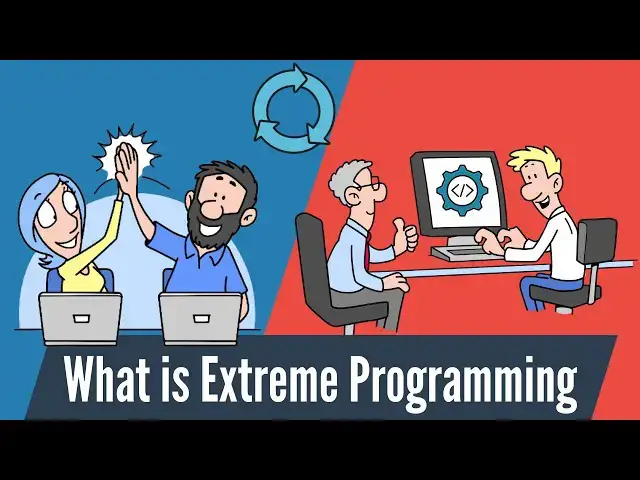
How can your development team deliver high-quality software quickly, embrace change, and reduce bugs—all at the same time? The answer might be Extreme Programming (XP), one of the most disciplined Agile frameworks designed for fast-paced, flexible software development. In this video, you'll learn the core values, 12 key practices, and real-world applications of XP to help your team thrive.
Why Watch This Video?
Whether you're preparing for the PMP exam or working in an Agile development environment, understanding XP gives you tools to deliver better software with higher team engagement and flexibility.
In This Video:
- What is Extreme Programming (XP) and how it works
- The 5 Core Values of XP
- The 12 XP Practices
- Why XP works well in fast-changing environments
- Challenges of implementing XP and when it may not be ideal
Chapters:
0:00 Intro
0:33 What is XP
0:55 5 Core Values
2:36 12 XP Practices
7:00 Why use XP
7:37 Challenges of XP
Show More Show Less View Video Transcript
0:00
how can your development team deliver
0:01
high quality software adapt to change
0:04
and reduce bugs all at once hi I'm
0:07
Andrew from PM Aspirant if you're new
0:10
here be sure to hit that subscribe
0:12
button for more tips on project
0:14
management and certification
0:16
learning today we're talking about
0:18
Extreme Programming or XP an agile
0:21
framework that helps teams produce
0:23
highquality software quickly while
0:26
embracing change and improving
0:28
collaboration if you're managing
0:30
software development projects XP could
0:33
be a
0:34
gamecher extreme programming is a
0:36
software development methodology focused
0:38
on customer satisfaction adaptability
0:41
and highquality code it emphasizes
0:44
continuous delivery of small functional
0:47
parts of a project and promotes constant
0:49
feedback from customers and team members
0:51
the goal is to stay flexible improving
0:54
the process as you go
0:56
before we get into the nitty-gritty
0:58
practices let's cover the five core
1:01
values that define
1:02
XP these values are the foundation for
1:05
how teams operate in an XP
1:08
environment one
1:11
communication xp fosters open and
1:14
constant communication among team
1:16
members customers and stakeholders
1:18
whether it's through pair programming or
1:20
daily standups communication helps keep
1:22
everyone aligned and reduces
1:24
misunderstandings
1:26
two
1:28
simplicity xp encourages simplicity in
1:31
both design and decision making you
1:34
focus on solving only the immediate
1:36
problems and avoid over complicating the
1:39
system with unnecessary features the
1:42
idea is to keep things simple efficient
1:44
and easy to adapt later on three
1:48
feedback continuous feedback is a
1:51
critical part of XP from running
1:53
automated tests to gathering customer
1:56
input feedback ensures that the team is
1:58
always moving in the right direction and
2:00
that any issues are addressed
2:03
early four
2:05
courage xp teams are encouraged to make
2:08
bold decisions like refactoring code or
2:11
revisiting design choices when needed
2:14
courage also means being honest when
2:16
things aren't working and embracing
2:17
change even when it's
2:19
challenging five respect
2:23
respect underpins everything in
2:25
XP every team member regardless of their
2:28
role is valued and respected for their
2:30
contributions this culture of respect
2:32
helps create a collaborative supportive
2:34
environment where ideas are freely
2:36
shared now let's talk about the 12
2:39
practices that make XP work in real life
2:42
projects these practices provide a
2:44
framework for how the team collaborates
2:46
writes code and delivers software
2:50
one the planning game in XP planning is
2:54
divided into two parts release planning
2:56
and iteration
2:57
planning release planning the customer
3:01
and team prioritize the user stories or
3:04
requirements that should be included in
3:06
the next release this helps set clear
3:08
goals and expectations for the
3:10
project iteration planning the team
3:14
plans the work for the upcoming
3:15
iteration usually lasting one to two
3:18
weeks focusing on delivering the highest
3:21
priority
3:22
stories two small
3:25
releases rather than waiting months for
3:28
a big release the XP team aims to
3:30
release small functional chunks of the
3:33
software frequently this helps ensure
3:35
that the customer gets value early and
3:37
can provide feedback on each
3:39
iteration three
3:41
metaphor in XP a metaphor is a shared
3:45
simple story that describes how the
3:47
system works think of it as a mental
3:49
model that guides everyone on the team
3:52
it's not a detailed design but a
3:54
high-level idea that helps developers
3:56
understand how the system fits
3:58
together four simple
4:01
design xp advocates for the simplest
4:04
design that works the goal is to build
4:07
only what's necessary right now avoiding
4:10
overengineering this way the system can
4:12
evolve as the requirements change or
4:14
become clearer
4:16
five test-driven
4:18
development xp relies heavily on
4:21
test-driven development TDD which means
4:24
writing tests before writing the code
4:26
developers write unit tests that define
4:28
the behavior of the software and then
4:31
write code to pass those tests this
4:33
ensures the code is reliable and
4:35
bug-free from the start six
4:38
refactoring refactoring means
4:40
continuously improving the code without
4:43
changing its behavior in XP developers
4:46
refactor code to simplify it improve
4:48
performance or remove redundancy this
4:51
keeps the code clean and maintainable
4:53
over time seven pair
4:56
programming in pair programming two
4:59
developers work together at the same
5:01
workstation one writes the code while
5:03
the other reviews it in real time this
5:06
practice not only improves the quality
5:08
of the code but also enhances
5:09
collaboration and knowledge sharing
5:12
eight collective code
5:15
ownership with XP collective code
5:18
ownership means that any developer can
5:20
modify any part of the code at any time
5:22
there's no single person who owns a
5:24
specific part of the code base so the
5:27
entire team shares responsibility for
5:29
the project this encourages
5:31
collaboration and prevents
5:33
bottlenecks nine continuous integration
5:37
in XP teams integrate their code
5:40
frequently usually multiple times a day
5:43
with continuous integration every time a
5:46
developer commits new code it's
5:48
automatically tested and merged into the
5:51
main code base this helps catch
5:53
integration problems early and ensures
5:55
that the system is always in a working
5:58
state 10 40hour work week xp encourages
6:03
a sustainable pace for developers the
6:06
40-hour work week practice means that
6:09
developers should maintain a reasonable
6:11
work life balance and avoid burnout
6:13
overtime is allowed in emergencies but
6:15
it should never become the
6:17
norm
6:19
11 on-site customer an on-site customer
6:23
is an actual customer or a
6:24
representative who works closely with
6:26
the team this person provides immediate
6:29
feedback clarifies requirements and
6:31
helps set priorities having direct
6:33
access to the customer helps the team
6:35
make better decisions and ensures the
6:38
project stays aligned with customer
6:40
needs 12 coding
6:43
standards finally XP teams follow
6:46
consistent coding standards to ensure
6:48
that the code is clean readable and
6:50
maintainable by adhering to a common set
6:53
of coding practices the team can
6:55
collaborate more effectively and avoid
6:58
issues that come from inconsistent code
7:01
so why use extreme programming it's
7:04
particularly useful in environments
7:06
where requirements are likely to change
7:08
or where the team needs to deliver
7:10
highquality software under tight
7:12
deadlines the frequent feedback loops
7:15
and small releases allow for quick
7:17
course corrections and practices like
7:19
pair programming and test-driven
7:21
development ensure high code quality
7:24
xp also helps build a strong
7:26
collaborative culture where everyone is
7:28
responsible for the project's success
7:31
plus the focus on sustainable work
7:33
practices like the 40-hour work week
7:35
promotes a healthy work life
7:37
balance that said XP isn't without its
7:41
challenges practices like pair
7:43
programming or having an on-site
7:45
customer can be difficult to implement
7:48
in some teams or organizations
7:51
it also requires a high level of
7:53
discipline to maintain practices like
7:55
TDD and continuous integration however
7:58
when implemented well XP can
8:00
significantly improve both the quality
8:02
of the software and the working
8:04
environment for
8:06
developers if you'd like to learn more
8:08
about project management methodologies
8:10
like XP check out pmasperant.com for
8:14
more learning resources and don't forget
8:16
to like subscribe and turn on
8:18
notifications if you find our content
8:19
helpful
8:21
thanks for watching and I'll see you in
8:22
the next video
#Business Education
#Software
#Jobs & Education
#Education
#Development Tools
#Video Game Development